

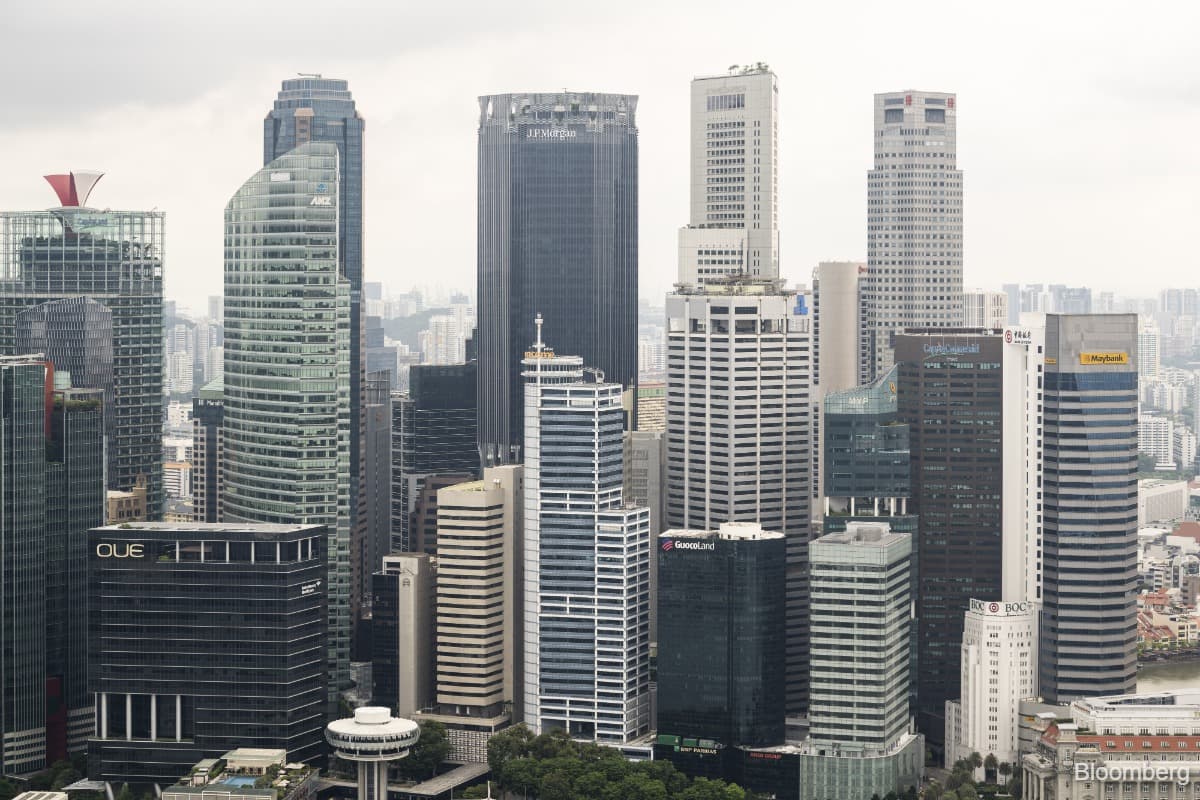
(Sept 1): Singapore has opened a new version of its proposed stablecoin regime to public consultation, as the city-state takes another step in the race to build infrastructure around the rapidly expanding asset class.
The Monetary Authority of Singapore (MAS) on Tuesday published the latest proposed legislative amendments to the Payment Services Act, which would introduce a long-awaited stablecoin regulatory framework. The changes would establish the legal basis for regulating stablecoins issued in Singapore. The MAS first announced the framework in 2022, but no time frame has been set for passing it into law.
The latest changes would prohibit stablecoin issuers from paying interest on regulated stablecoins and require stress testing. Licensed issuers would also need plans in place for recovery and orderly winding down.
The proposal would allow foreign stablecoin issuers to apply for MAS recognition as well, but only if they are subject to comparable regulations in their home jurisdiction.

The move brings Singapore one step closer to getting its stablecoin regime passed into law, as other markets have raced to implement their own rules governing cryptocurrencies backed by other assets — most often pegged one-to-one to the US dollar.
Even as progress in the US on a general cryptocurrency law has stalled, lawmakers last year managed to pass the stablecoin-focused Genius Act. In Europe, stablecoins are covered under the Markets in Crypto-Assets regulation, which has been in force since 2024.
Some parts of Asia have also seen progress. Hong Kong implemented a dedicated stablecoin licensing regime last year, with the Hong Kong Monetary Authority issuing the first licences in April to HSBC and Standard Chartered-backed Anchorpoint Financial. Japan was one of the first major economies to introduce a legal framework for stablecoins in 2022, limiting issuance largely to banks, trust companies and licensed fund-transfer providers. South Korea is working on its own legislation.
“MAS’ stablecoin regulatory framework aims to facilitate the use of stablecoins as a credible digital medium of exchange, and as a bridge between the fiat and digital asset ecosystems,” Ho Hern Shin, deputy managing director of financial supervision at the MAS, said in the consultation statement.
In the three years since Singapore finalised its stablecoin framework, the assets have become more widely adopted as multiple countries passed legislation offering clear rules on issuance. By bypassing traditional payment and banking rails, stablecoins are seen as a way of reducing costs and speeding up international money transfers.
However, stablecoin growth has stagnated this year. The supply of six of the largest dollar-backed stablecoins was worth US$277 billion (RM1.11 trillion) in August, little changed from last October, according to Artemis data.
Uploaded by Felyx Teoh